More shedding this fall is common, and it usually settles on its own
The question we heard most at the chair this week was some version of "Why is my hair falling out so much right now?" Guests told us their brushes looked fuller, their drains needed more clearing, and a few were scared something was wrong.
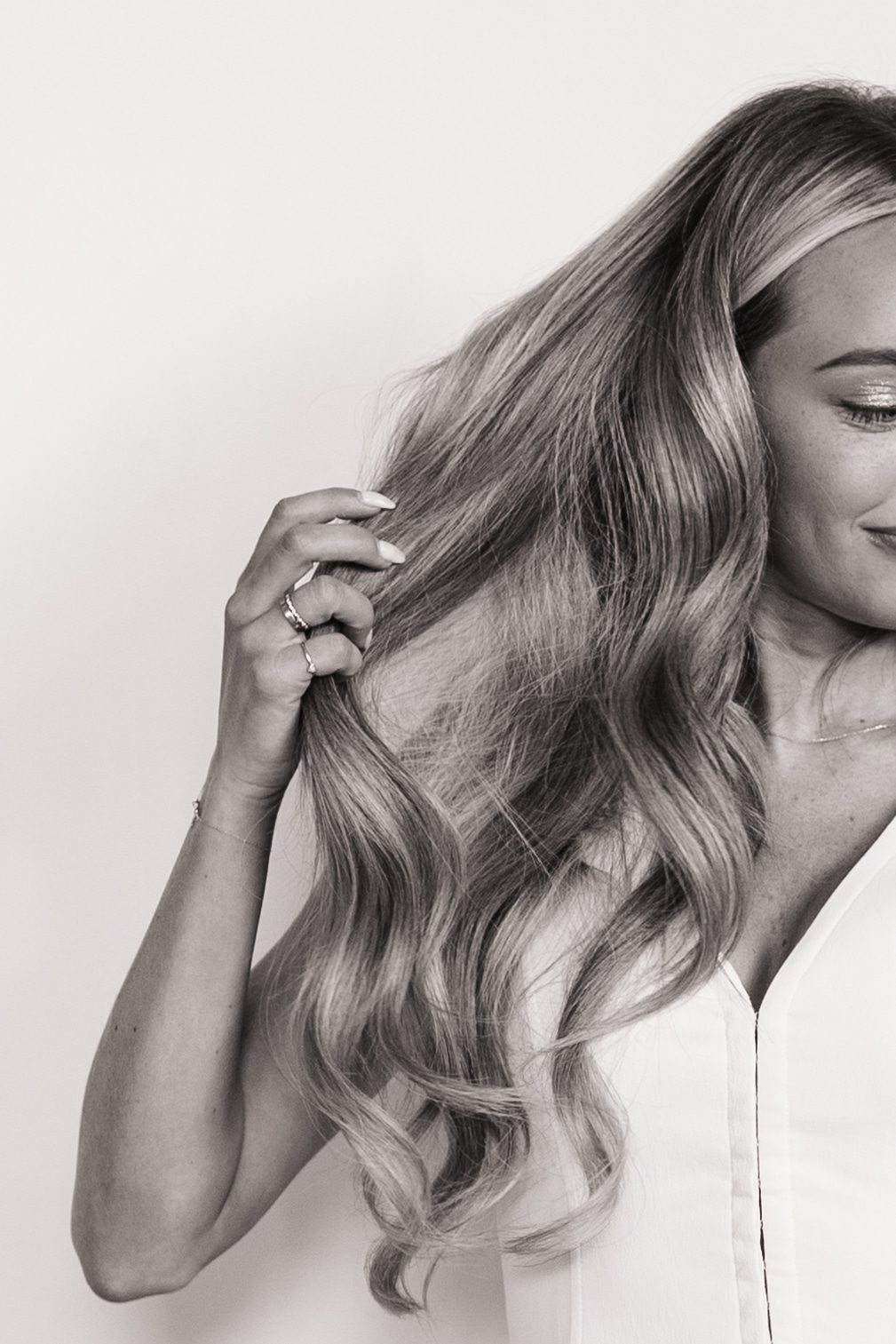
For most of you, this is seasonal hair shedding. It's a normal pattern, it has a timeline, and it ends. We want to walk you through what's happening, how to tell it apart from something worth a doctor's visit, and how to care for your hair while it passes.
When seasonal shedding happens
Hair grows in cycles. Each strand spends years growing, then rests, then sheds to make room for a new one. Those cycles respond to daylight and hormones, so they shift with the seasons.
The biggest peak lands in late summer and autumn, usually between August and November. September and October tend to be the heaviest months. That's why so many of you are noticing it right now, with Thanksgiving around the corner.
There's often a smaller second peak in spring, roughly March through May, as the days lengthen again. If you remember a stretch of extra shedding last spring, it was probably the same pattern.
Normal shedding compared with seasonal shedding
Losing 50 to 100 hairs a day is standard for a healthy head of hair. Most days you never notice it, because those hairs leave a few at a time.
During a seasonal peak the number climbs for a while. A few signs it's seasonal:
- It's spread out. Seasonal shedding comes evenly from the whole scalp. You won't see distinct bald patches.
- It has an end. It's self-limiting and generally resolves within two to three months.
- Your follicles are fine. It doesn't cause permanent damage to the follicle, so the hair that sheds is replaced.
The American Academy of Dermatology has helpful guidance on hair cycles if you'd like to read more.
We care about this part deeply, because Britta started Skandia while her mother was recovering from a life-changing accident and hair loss. We know the fear that comes with a handful of hair. So please see a doctor or dermatologist if you notice patches, shedding that keeps going well past three months, a widening part, or shedding alongside other changes in your health. We'll always tell you when something looks like it belongs with a physician.
How to support your hair through it
You can't stop the cycle, and you don't need to. You can make sure the hair you keep stays strong and doesn't break on its way through.
Wash gently. Use a mild shampoo and work it into the scalp with your fingertips. Skip anything harsh or stripping while your hair is in a shedding phase.
Go easy on heat. Lower your tools a notch and use a heat protectant every time. Dry Salt Lake air already pulls moisture from your strands this time of year.
Detangle wet hair slowly. Wet hair stretches and snaps more easily. Start at the ends with a wide-tooth comb or a soft brush and work up. Blot with a soft towel and avoid rubbing.
Care for your scalp. Keep it clean and moisturized. A gentle scalp massage for a couple of minutes while you shampoo feels lovely and supports circulation.
Eat well and check your levels. Getting enough protein matters for hair. Iron and vitamin D can also drop during darker months, so if you're due for bloodwork, ask your doctor to look at both.
If you wear hand-tied extensions
Your natural hair sheds on the same schedule, extensions or not. With hand-tied NBR extensions, the hairs your scalp releases can collect near your rows instead of falling away. That can make a normal season feel bigger than it is.
Brush gently from the ends up, and keep your move-up appointments on schedule. At each move-up we clear that shed hair, check your rows, and look closely at your scalp. If anything concerns us, we'll talk it through with you at the chair.
A calmer few months ahead
When guests sit down worried about their hair, we'd like them to leave knowing what's happening and what to do next. If you're unsure whether your shedding is seasonal, or you'd like your color or extensions planned around a gentler stretch for your hair, we'd love to see you in our new Millcreek studio.
You can book a consultation at skandiakollektiv.com, or simply reply to our newsletter with your question.
With love,
Britta and the Skandia Kollektiv team